
Without this project, the farming, businesses, hunting, fishing and the region’s culture will no longer exist as we know it today.
Why it Matters
This project exists to address a problem that is not always visible, but is already happening.
For decades, agriculture in the Grand Prairie has relied on groundwater. Over time, that water source has steadily declined. Because it is underground and changes happen gradually, the urgency is not always obvious. But the long term impact is real.
Current groundwater use is not sustainable. Continued pumping at current rates puts pressure not only on agriculture, but also on the deeper aquifers that support municipal and industrial water supplies.
Without a reliable and sustainable source of water, a large portion of irrigated farmland in this region would be forced to transition to non irrigated crops. These crops support the local economy, including family farms, mills, and agricultural businesses across eastern Arkansas.
Farmers are already making difficult decisions. Rising costs, limited water access, and economic pressure are forcing some to reduce acreage, shift crops, or leave fields unirrigated. Access to dependable water directly affects crop yields, financial risk, and long term planning.
Other options exist, but they are expensive. Drilling deeper wells can cost between $100,000 and $300,000, along with ongoing energy costs. On farm storage systems often require taking 10 to 15 percent of productive land out of use, in addition to construction expenses.
This project provides a long term solution by shifting from declining groundwater to surface water from the White River. It is designed to deliver an affordable, reliable, and sustainable water supply so farmers can plan with confidence and reduce the risk of crop failure.
Arkansas is in a strong position compared to many agricultural regions. It has productive land, a favorable climate, and access to water resources that can be developed responsibly. This project helps ensure those advantages remain in place for the future.
Without this project, the farming, businesses, hunting, fishing, and the region’s culture will not exist as they do today.
HOW IT WORKS MEANING THE WATER SYSTEM
this will literally tell people how the the whole water system works
ssss
sss
sss
sss
sss
ss
xxxx
xxxxx
How the Project is Delivered
Delivering a project of this scale requires coordination across federal, state, and local organizations, each with a defined role in planning, funding, design, and construction.
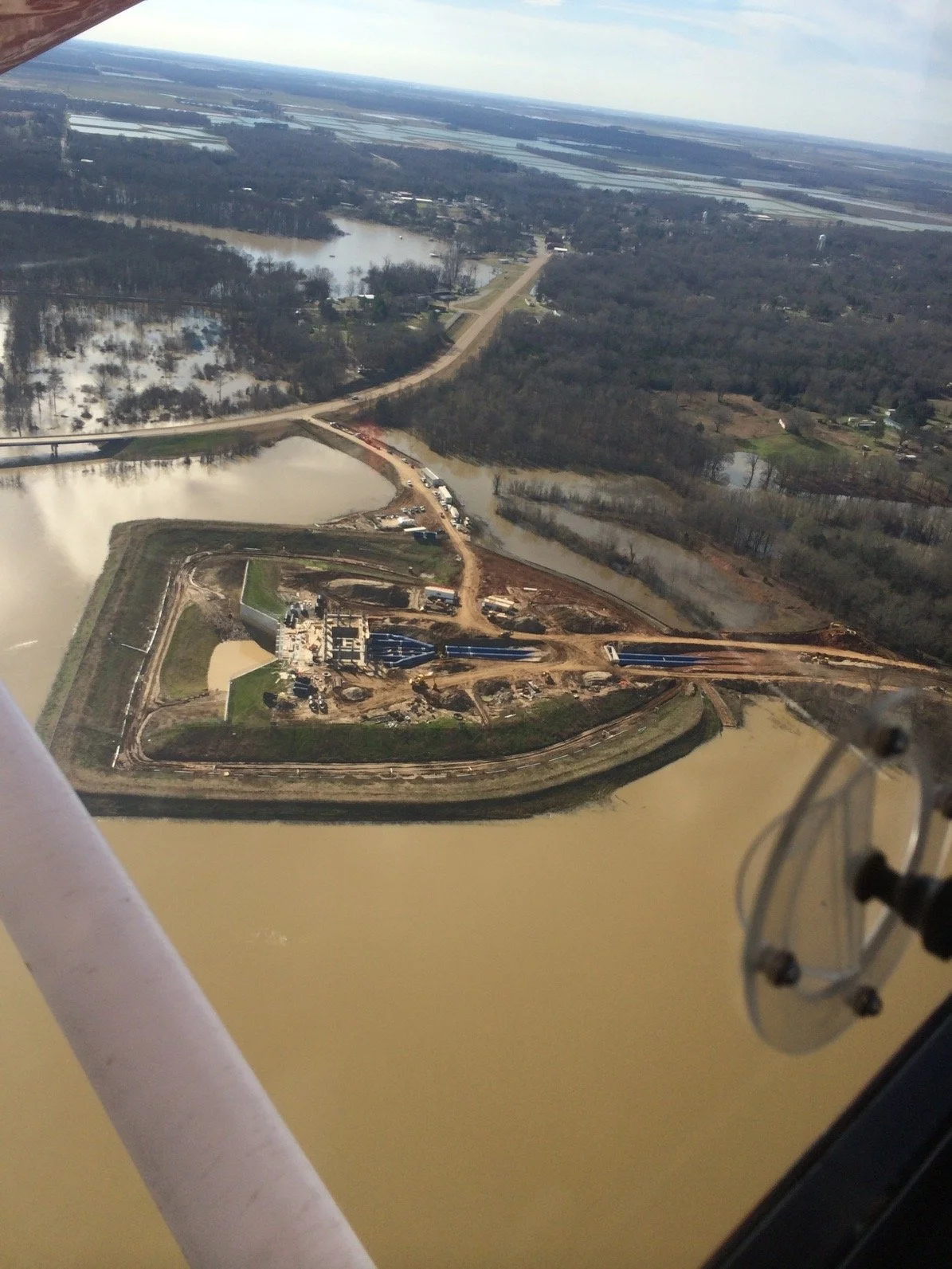
The U.S. Army Corps of Engineers led the initial planning, scoping, and design of the project in partnership with the Natural Resources Conservation Service. The Corps is responsible for major infrastructure components, including the pump station at DeValls Bluff, the power substation, key pipelines, and the receiving reservoir.
The Natural Resources Conservation Service provides funding and design support for the distribution system, including canals and pipelines that deliver water to farms across the Grand Prairie.
The Arkansas Department of Agriculture Natural Resources Division provides loans to the White River Irrigation District to meet the required local match funding. These funds are primarily used for right-of-way acquisition and the construction of county and state highway crossings.
The White River Irrigation District coordinates local implementation, performs portions of the construction directly, and contracts with local companies when appropriate, with an emphasis on using regional workforce and resources.
Additional partners, including the Arkansas Game and Fish Commission and Arkansas Heritage, support environmental and conservation components of the project.
Funding
The project is funded through a combination of federal investment and state-supported financing.
Federal partners provide approximately 70 percent of total project funding, primarily through the U.S. Army Corps of Engineers and the Natural Resources Conservation Service.
The remaining 30 percent is financed through loans obtained by the White River Irrigation District through the Arkansas Department of Agriculture.
These loans are structured to be repaid through future water sales, to deliver an affordable and reliable surface water supply to Grand Prairie farmers.
White River Irrigation District
The White River Irrigation District is responsible for coordinating construction activities and overseeing long-term operation of the system.
The WRID team includes engineering, operations, and administrative staff working together to deliver water infrastructure across the region.
Board of Directors
The District is guided by a Board of Directors made up of local representatives from across the Grand Prairie region.
Board members represent agricultural areas and provide oversight, direction, and long-term stewardship of the project.